
Master Solutions Blog
Master Solutions has been serving the Naperville area since 1996, providing IT Support such as technical helpdesk support, computer support, and consulting to small and medium-sized businesses.
Is That Email Legit? How to Check for These 3 Phishing Red Flags

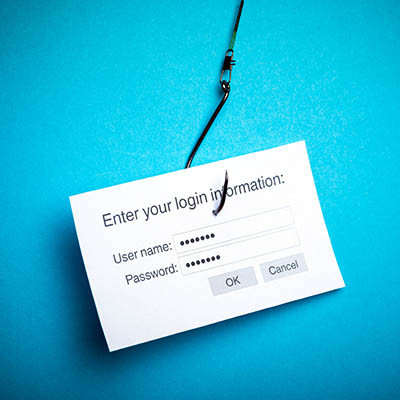
Most contemporary cyberthreats originate from social engineering. Typically, this involves deceptive phishing messages designed to lure users into compromising their own safety. While these attacks can occur across various platforms, email remains the primary weapon of choice for attackers.
To stay protected, let’s examine the key red flags that suggest an email is actually a phishing attempt.
Discrepancies Between Names and Addresses
Always scrutinize the sender's identity. Does the email address align with the contact details listed on the company’s official website, or is it riddled with typos and subtle errors? Discrepancies here are a major indicator of a malicious intent.
Be extremely cautious: hackers frequently register fraudulent domains that look nearly identical to legitimate business URLs. For instance, if you usually receive invoices from @acme-supply.com but suddenly get a message from @acme-billing-dept.net, you are likely being targeted.
This vigilance should extend to the email's content as well. Check for inconsistent branding, low-quality logos, spelling mistakes within the body text, or formatting that feels unusual compared to previous communications.
Misleading Hyperlinks
Legitimate professional emails use links to guide you toward helpful resources or marketing content. Because this is standard practice, cybercriminals use it as a smokescreen to lead you to credential-harvesting sites.
These fake pages are designed to look exactly like a real login portal. To avoid the trap, you must verify the destination before clicking. Use the hover test by resting your mouse over any link or button without clicking. Look at the bottom corner of your browser or the pop-up box that appears to see the URL preview. If the link claims to lead to your bank but the preview shows a string of random characters or an unrelated domain like login-verify-secure.xyz, do not click it.
High-Pressure Tactics and Urgency
Evaluate the tone of the message. If the sender is using scare tactics or creating an artificial sense of panic—such as threatening to delete your account or taking legal action—take a breath. Professional organizations do not conduct business through intimidation.
Be especially wary if the sender pressures you to reveal passwords, share MFA codes, provide immediate payment via unconventional methods, or bypass standard security protocols for a supposed emergency.
A significant portion of your digital defense relies on simple awareness and proactive reporting.
Master Solutions is dedicated to helping you master these skills while providing the technical safeguards your business needs. To learn more about how we can strengthen your cybersecurity posture, contact us today at (630) 495-3830.
Mobile? Grab this Article
Comments